Best use
A travel guide helps a reader plan and enjoy a specific place or route, written by someone who has been there. Its job is a decision the reader makes on the ground — where to stay, what to skip, when to go — and its value is that the author knows.
Recommended structure
Open with the shape of the place and the practical frame — when to go, how to get around, what things cost — then one chapter per area or per day of a suggested route, each with what to see, where to eat and one thing the other guides miss. Close with the practical detail: itineraries, packing, a few phrases.
What a finished version should include
A contents page a reader can navigate on a phone, prices and opening details with the date you checked them, a small number of firm recommendations rather than an exhaustive list, and a plan to revise every year — a travel guide dates faster than any other format. The studio drafts the frame; the knowledge has to come from the trip.
Worked example
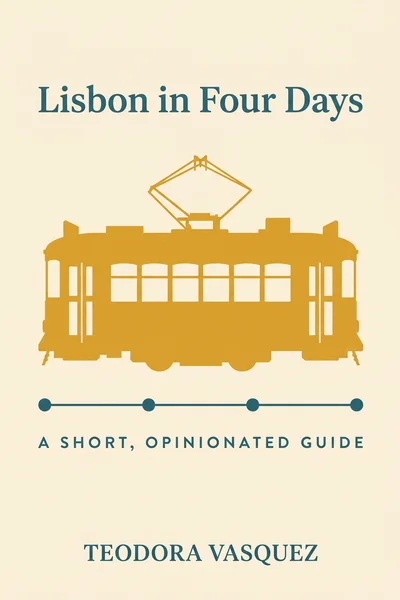
The plan the studio would build for Lisbon in Four Days
A travel guide planned the way the structure above says, in the order its contents page would show. Every line is an editable chapter in the studio.
Lisbon in Four DaysTeodora VasquezSample book · Travel guide
- 01
Before you go
When to come, how to get in from the airport, what things cost this year.
- 02
Day one — Alfama on foot
The old town early, one lunch, one viewpoint, and the tram to skip.
- 03
Day two — Belém and the river
Morning by the water, the afternoon that most guides waste.
- 04
Day three — Bairro Alto and Chiado
Bookshops, one long dinner, and where the music actually is.
- 05
Day four — Out of the city
Sintra or the coast: one firm recommendation, not both.
- 06
The practical pages
Itineraries at a glance, packing, and ten phrases that get used.
Other formats
If the job is different






Continue