Best use
A memoir tells one part of a life — a season, a decision, a place — for a reader who wants to understand what it was like, not to read a résumé. Its job is to make a stranger care about something that happened to you, and it works only when the author decides what the book is about.
Recommended structure
Choose the slice first: a memoir that covers everything is a chronology, not a story. Then plan chapters as scenes with a purpose, in an order that serves the meaning rather than the calendar, each opening in a concrete moment. Reflection belongs after a scene, not instead of one.
What a finished version should include
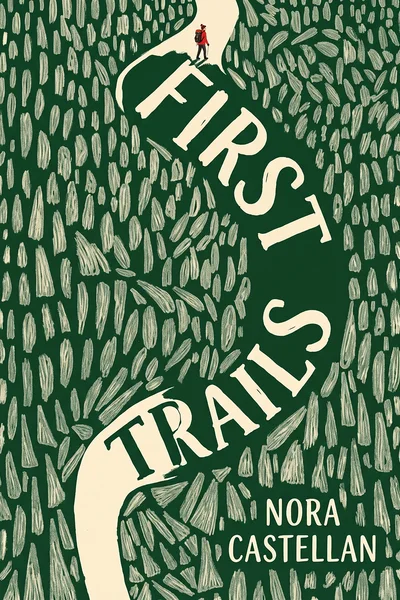
A clear frame the first page states, chapters the reader could summarize in a sentence, names and details you have the right to use, and a cover that reads as memoir rather than fiction. The studio can hold the structure and draft from your notes; the memory and the honesty are yours.
Worked example
The plan the studio would build for First Trails
A memoir planned the way the structure above says, in the order its contents page would show. Every line is an editable chapter in the studio.
First TrailsNora CastellanSample book · Memoir
- 01
The car park at dawn
The first walk, the wrong boots, and why I went at all.
- 02
Learning to be slow
A season of short trails and the habit that formed on them.
- 03
The day I turned back
Weather, fear, and the walk that did not happen.
- 04
Company
The people who appeared on the path, and the one who stayed.
- 05
The long one
The trail I had been avoiding, and what it asked for.
- 06
First trails, again
Walking the first path with someone new; what had changed.
Other formats
If the job is different

Continue