Best use
A novel is long-form fiction. The studio can plan a chapter structure and draft long-form chapters, but fiction is the format where the author's own voice, revision and judgement matter most, and where a generated draft is furthest from a finished book.
Recommended structure
Plan the chapters as scenes with a purpose: what changes, for whom, by the end of each. Draft chapter by chapter, then revise for voice and continuity across the whole manuscript rather than polishing one chapter at a time.
What a finished version should include
A consistent point of view, a chapter structure that the table of contents reflects, a cover that signals the genre, and a full read-through before export. Word count depends on genre; the studio's targets are set for nonfiction and are a floor, not a goal.
Worked example
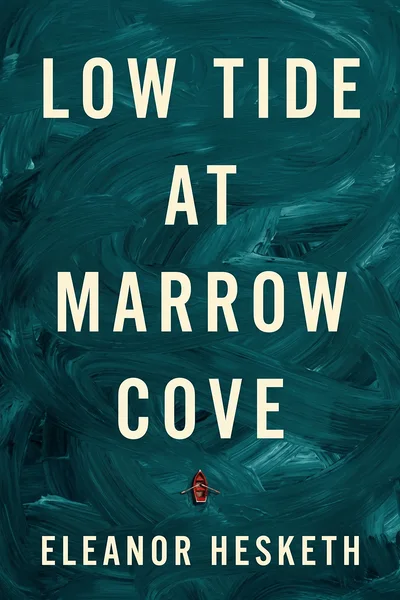
The plan the studio would build for Low Tide at Marrow Cove
A novel planned the way the structure above says, in the order its contents page would show. Every line is an editable chapter in the studio.
Low Tide at Marrow CoveEleanor HeskethSample book · Novel
- 01
The boat that came back empty
Marrow Cove at low tide; a boat, no owner, and the wrong person finds it.
- 02
What the harbour knew
Eleanor asks the questions nobody wants; the cove closes ranks.
- 03
The ledger in the boathouse
A record that should not exist, and the name written twice.
- 04
High water
The storm forces a choice; someone leaves on the wrong tide.
- 05
The second boat
What the first one was hiding; the cove's story comes apart.
- 06
Low tide again
The truth, the cost of it, and who stays.
Other formats
If the job is different




Continue