Best use
A cookbook is a set of recipes a reader will actually cook from, organised so the right one is easy to find. Its job is done at the stove, not on the sofa: every recipe has to work the first time, and the book has to be usable with one hand.
Recommended structure
Group recipes by how the reader chooses — course, occasion, ingredient or time — not by when you wrote them. Keep every recipe in the same fixed order: a short headnote, yield and time, the ingredient list in the order it is used, numbered steps, and one line on what can go wrong. A short opening chapter on the pantry and the method saves repeating it thirty times.
What a finished version should include
A contents page a reader can scan for tonight, a consistent recipe layout the PDF export preserves, measurements in one system (or both, consistently), and recipes you have cooked as written. The studio drafts the frame and the headnotes; the recipes themselves have to be yours and tested.
Worked example
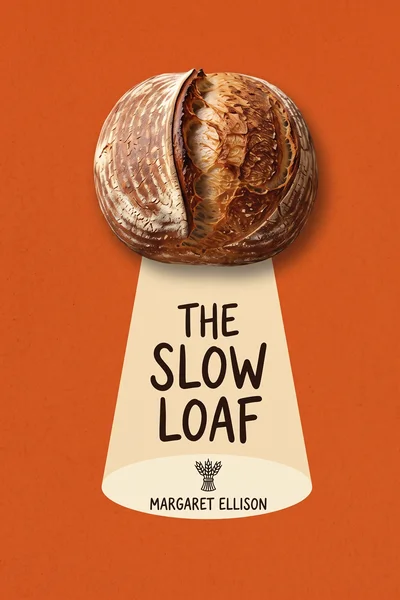
The plan the studio would build for The Slow Loaf
A cookbook planned the way the structure above says, in the order its contents page would show. Every line is an editable chapter in the studio.
The Slow LoafMargaret EllisonSample book · Cookbook
- 01
The pantry and the method
Flour, water, salt, time — and the one technique every loaf shares.
- 02
The first loaf
One recipe, photographed at every stage, to learn the feel.
- 03
Weekday breads
Loaves that fit around work: overnight rises, no-knead, tin loaves.
- 04
Weekend breads
Longer, slower, better: sourdough, focaccia, the big country loaf.
- 05
What went wrong
Dense, flat, pale, burnt — reading the loaf and fixing the next one.
- 06
Keeping and using
Storing bread, and what to make when it is two days old.
Other formats
If the job is different

Continue