Best use
A daily practice guide gives the reader one short thing to read and do each day for a fixed run — thirty days, six weeks, a season. Its job is a habit, and the format works because the reader never has to decide what comes next.
Recommended structure
One entry per day, every entry the same shape: a short passage, one prompt or action, and room to note what happened. Fix the run before you write — thirty entries is a different book from ninety — and open with a page that explains how to use the book and what to expect by the end.
What a finished version should include
A numbered entry for every day of the run, an identical layout the PDF export keeps, a brief opening on how to use the book, and a closing entry that names what has changed and what to do next. The repeated structure is the one the studio handles best; the practice itself has to be one you have kept.
Worked example
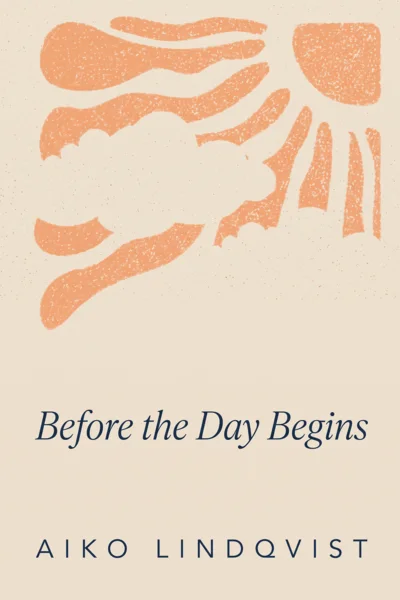
The plan the studio would build for Before the Day Begins
A daily practice guide planned the way the structure above says, in the order its contents page would show. Every line is an editable chapter in the studio.
Before the Day BeginsAiko LindqvistSample book · Daily practice guide
- 01
How to use this book
Ten minutes, before anything else, for thirty days.
- 02
Week one — Noticing
Seven short mornings: sitting, breathing, writing one line.
- 03
Week two — Staying
Seven mornings on the days it is hard to begin.
- 04
Week three — Widening
Seven mornings that take the practice out of the chair.
- 05
Week four — Keeping
Seven mornings on what to do when the thirty days end.
- 06
Day thirty-one
What changed, in your own words, and the next thirty.
Other formats
If the job is different








Continue